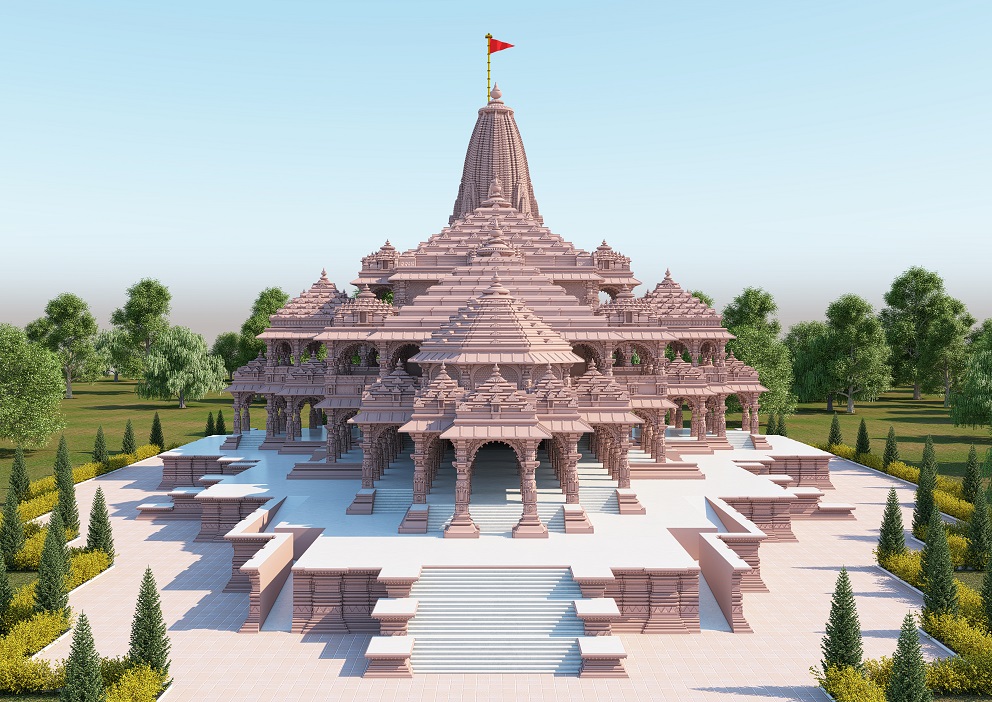
Ayodhya — the sacred birthplace of Lord Shri Ram and one of the seven holiest cities (Saptpuri) of Sanatan Dharma. Nestled on the serene banks of the Saryu river in Uttar Pradesh, this divine city is the very foundation of the Ramayana, where King Dashrath established his royal capital and where Maryada Purushottam Lord Ram took His divine incarnation.
On 22nd January 2024, the grand Pran Pratishtha ceremony was performed at the Ram Janmabhoomi — after centuries of unwavering devotion and patience, Ramlala was finally enshrined in His magnificent new temple. Today, Ayodhya is not just a pilgrimage destination but the living heart of Hindu faith, drawing millions of devotees from around the world for darshan of Ramlala and the sacred Saryu snan.
Quick Information
- Main Deity: Lord Shri Ram (Ramlala)
- Location: Ayodhya, Uttar Pradesh
- River: Saryu River
- Pran Pratishtha: 22 January 2024
- Category: One of the Saptpuri
- Best Time to Visit: October–March
Darshan Timings
Free Aarti Darshan Timings
Three main aartis are performed daily at the Ram Mandir. Devotees can attend these aartis free of cost — however, prior registration is required through the temple's official portal.
History of the Temple — A Sacred Journey
The history of Ram Janmabhoomi is a thousand-year tale of unwavering devotion and centuries of struggle. Here is a brief timeline of this sacred journey —
According to the Ramayana, the holy city of Ayodhya was founded by King Ikshvaku, son of Manu. Later, the Suryavanshi King Dashrath made it his royal capital — and it was here that Lord Vishnu descended in the form of Maryada Purushottam Shri Ram.
Through various eras, Ayodhya thrived under the rule of the Mauryan, Gupta, and Kannauj Rajput dynasties. The city retained its religious and cultural prominence throughout history, with many Ram temples being built and rebuilt over the centuries.
Mir Baqi, the commander of Mughal invader Babar, demolished the ancient Ram Mandir at the Janmabhoomi and constructed a mosque in its place — later known as the "Babri Masjid." This event became the most painful chapter in the history of Sanatan Dharma.
For centuries, the Hindu community continued to struggle peacefully and legally to reclaim the Ram Janmabhoomi. In 1949, the idol of Ramlala manifested inside the disputed structure — and regular worship began at the site from that day onward.
The Vishwa Hindu Parishad and other organizations led the nationwide "Ram Janmabhoomi Mukti Andolan" (Liberation Movement). Millions of Ram devotees united across the country, demanding the construction of a grand temple at the birthplace.
Karsevaks (Hindu volunteers) and devotees demolished the disputed Babri structure. This event became a national turning point and brought the centuries-old dispute into the legal and political spotlight as never before.
For nearly three decades, the case moved through various courts of India. Archaeological evidence, ASI excavation reports, and historical documents were presented as proof. Eventually, the matter reached the Constitutional Bench of the Supreme Court of India.
The Constitutional Bench of the Supreme Court of India delivered a historic unanimous verdict — the entire 2.77 acres of disputed land was awarded to Ramlala Virajman for the construction of the Ram Mandir. The court also ordered an alternate 5-acre plot to be allotted for the construction of a mosque.
The Bhoomi Pujan and foundation-laying ceremony of the Ram Mandir was performed by the Hon'ble Prime Minister Shri Narendra Modi. The grand construction of the temple began under the leadership of the Shri Ram Janmabhoomi Teerth Kshetra Trust.
The Historic Pran Pratishtha Ceremony! After centuries of devotion and patience, Ramlala was finally enshrined in His magnificent new temple. PM Shri Narendra Modi served as the chief patron (Mukhya Yajman) of the consecration ritual. The entire nation rejoiced — lamps were lit in homes everywhere, and the chant "Shri Ram Jai Ram Jai Jai Ram" echoed across the world.
How to Reach
Today, Ayodhya is one of the most accessible pilgrimage destinations in India, with excellent connectivity by air, rail, and road.
Temple Location
The exact location of Shri Ram Janmabhoomi Temple in Ayodhya — zoom in on the interactive map below or open it in Google Maps for navigation.
Frequently Asked Questions
Ram Mandir darshan is open from 07:00 AM to 11:30 AM and 02:00 PM to 07:00 PM. The temple remains closed from 11:30 AM to 02:00 PM for bhog and rest. Timings may change during festivals.
To attend Mangala, Shringar, or Shayan Aarti, you must book a free pass through the official Shri Ram Janmabhoomi Teerth Kshetra Trust website (srjbtkshetra.org). Passes are issued in limited numbers, so advance booking is highly recommended.
Mobile phones, cameras, purses, belts, and any leather items are strictly prohibited inside the temple complex. Free locker and cloak room facilities are available outside the temple where you can safely deposit your belongings.
October to March is the best time to visit — the weather is pleasant. Ram Navami, Diwali, and 22 January (Pran Pratishtha Day) feature special grandeur but also attract massive crowds. On regular days, darshan can be done peacefully.
There is no strict dress code at the Ram Mandir, but modest and traditional Indian attire is considered respectful. Men should wear kurta-pyjama or dhoti, and women should wear sarees or salwar-kameez. Please avoid wearing very short clothes inside the temple.
Apart from the Ram Mandir, Ayodhya has many sacred sites — Hanuman Garhi (Hanuman ji's temple), Kanak Bhawan (Mata Sita's palace), Ram Ki Paidi (Saryu bathing ghats), Nageshwarnath Temple, Tulsi Smarak Bhawan, and Dashrath Mahal. All these temples are nearby and can be visited within a single day.
On normal days, darshan takes 1-2 hours, while during festivals or weekends, it can take 3-5 hours. Pilgrims with aarti passes use a separate, faster queue. The temple complex is large — plan to spend 2-3 hours for the complete visit.
Yes, Ayodhya has a wide range of accommodation — from budget to luxury hotels. There are also several dharamshalas and guest houses near the Ram Janmabhoomi. Advance booking is required during festivals and weekends. Online booking is available on MakeMyTrip, Booking.com, and IRCTC.
Yes, the Ram Mandir Trust has made special arrangements for senior citizens, differently-abled persons, and pregnant women — wheelchairs, separate entrances, and priority darshan are available. The temple complex is fully equipped with ramps and escalators.
Yes, prasad offered to the deity is distributed within the temple complex — mainly elaichi dana (cardamom seeds) and dry fruits. The prasad is considered highly sacred, and devotees often take it home to share with their families.
On 22 January 2024, the Pran Pratishtha ceremony of Ramlala was completed — meaning the sanctum sanctorum is ready and darshan has begun. However, construction of the full temple complex (mandap, parikrama path, other deity temples, and museum) is still being completed in phases and is expected to be fully finished by 2025-26.
Yes, the Maharishi Valmiki International Airport is operational in Ayodhya. International devotees need a valid passport and visa. Pilgrims of any nationality are welcome at the temple. The temple complex has English signage and information available.
Official Website
For aarti pass booking, darshan information, and live updates, please visit the official website of the Shri Ram Janmabhoomi Teerth Kshetra Trust.
srjbtkshetra.org